The Intersection of Health, Equity, and Climate Change

Updated July 2026
Human health and the health of our planet, including the stability of our climate, are intertwined. Climate change is a major threat to any vision of a healthy future.
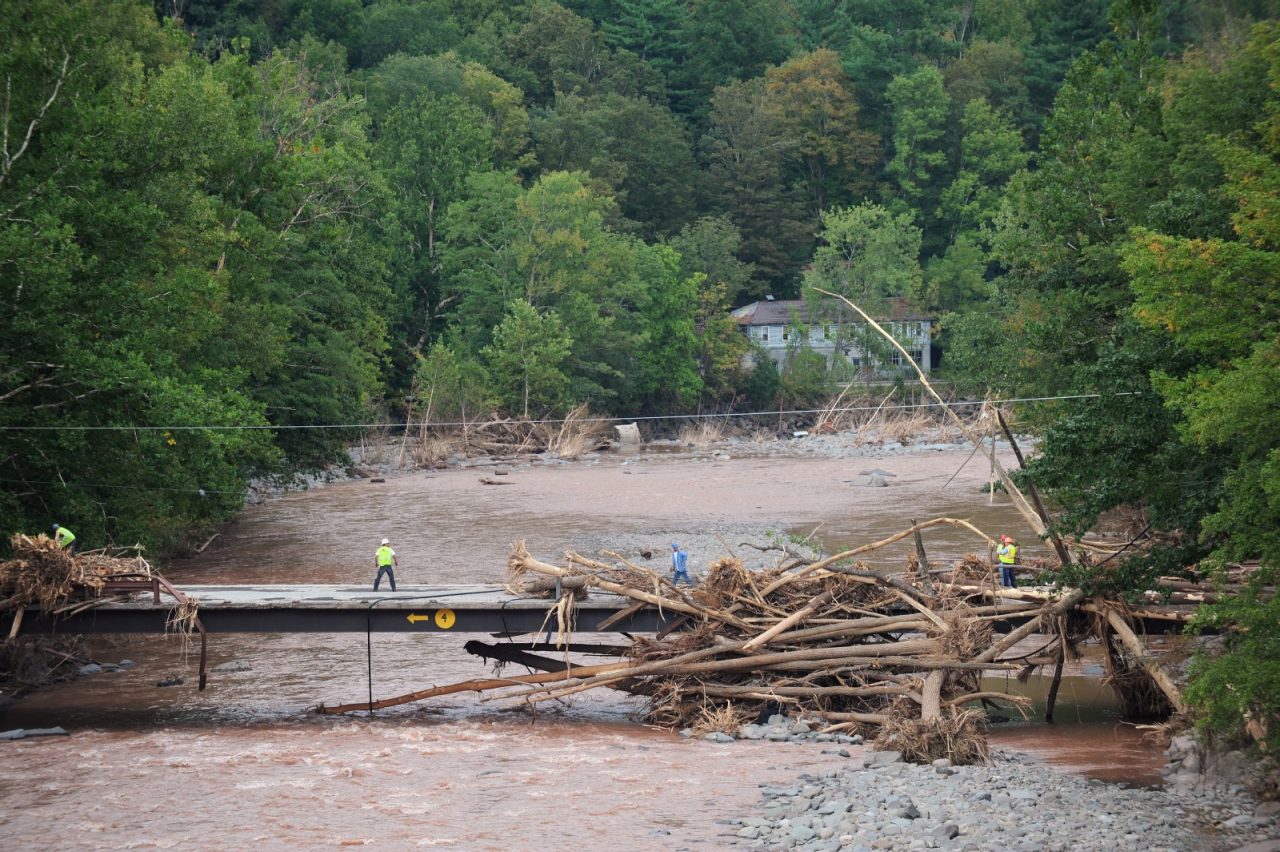
As our environments change, it harms our health. Climate change and extreme weather have made our lives less predictable. Climate change is putting cracks in the foundation of how our communities and systems we rely on are built, whether it’s healthcare, the economy, food systems, or transportation. Many of these systems were built in a different time for a different climate, temperatures, and weather—and a few degrees can make an enormous difference in their ability to support our health and wellbeing. These changes—individually and together—directly threaten our communities, homes, wallets, and health.
While everyone experiences the effects of climate change, some people are hit harder and earlier than others. Where you live or work, your race, your age, your pre-existing health conditions or chronic illnesses, and your income all influence how deeply the impacts of climate change are felt.
Through the Health and Climate Solutions portfolio, RWJF is working with leaders in communities across the United States to identify, highlight, and learn from smart, effective approaches and solutions that improve health, advance health equity, and work to address climate change. These grantees, along with grantees across the Foundation, are contributing critical insights into how we can address these three intertwined issues.
%3AStandard?ts=1740784384279&dpr=off "Smog billows across the sky above a shipping port.")
Research
Climate Change Threatens our Health and Deepens Health Inequities
A series of briefs shows how climate change is harming the health while also demonstrating how the health inequities we see today, which too often are the result of structural and systemic racism, are made even worse by a changing climate.
Health Affairs: Climate, Health & Equity Issue
The May 2026 issue of Health Affairs offers timely peer-reviewed research on policies and interventions across healthcare and community settings on the intersections of climate, health, and equity, in addition to perspectives from people affected by climate change.
Barriers and Opportunities in Communicating about the Intersection of Health, Climate Change and Equity
The evidence is clear that while many are at greater risk (e.g., due to age, health status, the types of jobs they work, etc.), people of color, those with low incomes, and those living in rural areas—or some combination of these three factors—are often at the most risk of climate change's harms.
Featured Initiatives


From the Blog
- How Unjust Policies Influence Who Experiences the Harms of Climate Change First 08/03/2023
- Lessons from a Malawian Farmer on Climate Change, Food Justice, and Gender Equity 02/03/2022
- Climate Change, Environmental Justice, and the Rise of Local Solutions 04/15/2021
- Global Approaches to Curb the Health Impact of Climate Change 03/23/2020
- How Communities are Promoting Health and Responding to Climate Change 09/30/2019